
MYP 5 Unit Overview Contemporary Portraiture

MYP 5 Unit Outline: Contemporary Portraiture
This page provides an outline for teachers planning an MYP 5 unit on art and representation with a focus on portraiture and identity.
An IB MYP unit is an inquiry-based learning experience designed to engage students in exploring key concepts and connecting their learning to real-world issues. The unit is structured around a central theme—art and representation —and is assessed through all four MYP criteria: A (Investigating), B (Developing), C (Creating), and D (Responding). This unit provides students with the opportunity to explore how identity is represented through portraiture, while developing both technical skills and personal expression. It may be interesting to think about how art can communicate an idea of a person!
Unit Overview
Central Idea:
Contemporary portraiture is a powerful artistic tool that reveals the complexities of identity, culture, and personal experience. Portraiture communicates an idea of a person, and this representation includes the artist's biases and ideas about that person. Portraiture also allows individuals to reflect on who they are, how they see themselves, and possibly how others might perceive them.
In this unit, students will explore portraiture as a medium to express their identity or how other identities may be presented or communicated through visual expression. They will research various artistic styles, techniques, and investigate how portraiture is created through different styles/and time, while also reflecting on their own identity.
Inquiry:
Time: 22 hours
Unit Title: Contemporary Portraiture
Key Concept: Identity
Related Concepts: Representation, Perspective
Global Context: Identities and Relationships
Exploration: Identity formation, self-esteem, status, roles, and role models
Statement of Inquiry:
Contemporary portraits can show a person’s identity in many ways, reflecting their identity.
Inquiry Questions:
- Factual:
- Can a portrait truly represent a person’s identity?
- What techniques and research are necessary to create a meaningful portrait of someone?
- Conceptual:
- How does portraiture reveal cultural identity?
- How does the relationship between the subject and the viewer affect the interpretation of a portrait?
- Debatable:
- Can portraiture help us better understand one another’s identities?
- What’s the difference between a self-portrait and a portrait of another person? Which more effectively represents a person?
Key Concept: Identity
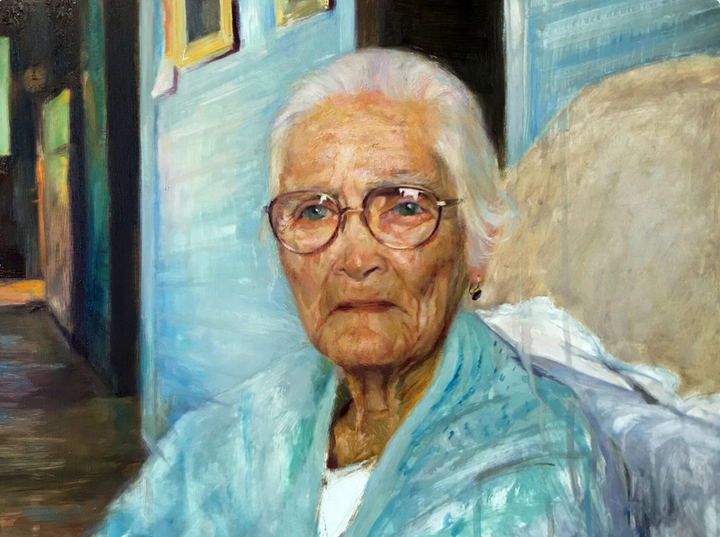
Identity refers to the distinctive qualities and characteristics that define individuals, groups, or cultures. In portraiture, identity can be expressed both literally through physical features and symbolically through colour, texture, and abstraction. The arts give insight into the identity of a culture, time period, or individual artist, offering a deeper understanding of self and others.
“In the arts, we explore the self through identity and how it is shaped by external and internal influences. Portraiture, therefore, not only captures a likeness but also represents the values, culture, and story of a person.”
Identity Concept– (IB MYP Art Guide 2022, p. 24)
Suggested Art Skills and Knowledge:
At the MYP 5 level, students should integrate their artistic skills with their research findings. Below are a few art-making techniques that are commonly associated with portraiture:
- Grid Drawing: A method for accurately drawing portraits, often used in realistic portraiture (e.g., Chuck Close’s grid painting).
- Drawing Anatomy: Studying proportions and structure of the face and figure to create more accurate or expressive portraits.
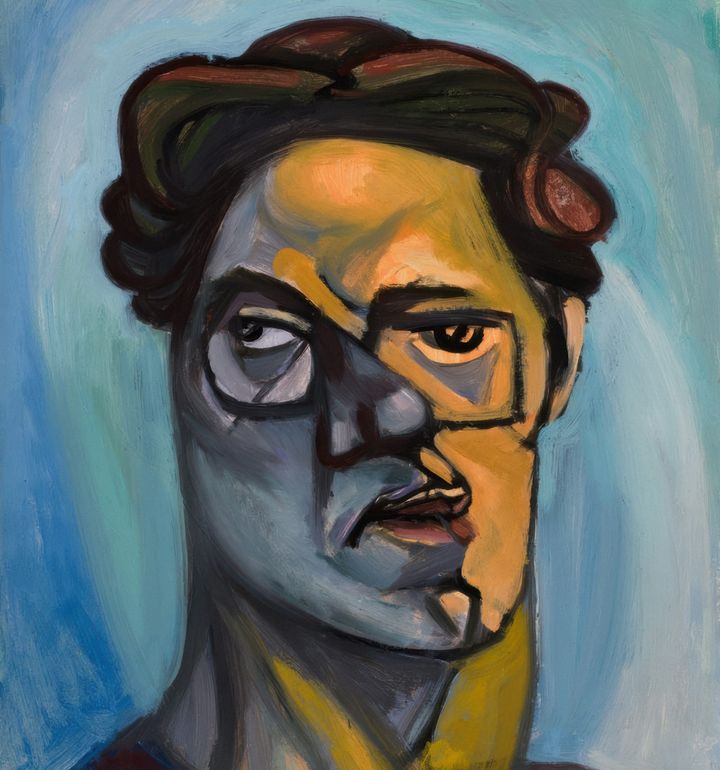
- Abstract Portraiture: Exploring the use of abstraction to express identity beyond physical appearance.
- Acrylic and Oil Painting: Techniques used to create detailed or expressive portraits, exploring different styles such as realism, impressionism, or abstraction.
- Mixed Media: Using photography, collage, or image transfers to create portraits that reflect multiple aspects of identity.
Suggested Content and Resources:
- Contemporary Portraiture:
Investigate artists who challenge traditional forms of portraiture, such as Kehinde Wiley, who celebrates underrepresented cultural identities through large-scale, vibrant portraits. - Abstraction in Portraiture:
Explore how abstract portraiture can express identity in non-literal ways, using symbolism, texture, and colour. - Chuck Close and Grid Painting:
Learn about Close’s method of creating photorealistic portraits using a grid system. Students can apply this technique to their own portraits to emphasise the process and precision in portraiture. - Further links below Criterion A - Investigation Task
Assessment
Detailed Tasks for this unit are below:
- Task 1 -Journal investigation
- Task 2 - Devoloping ideation and practical skills/ techniques
- Task 3 - creating an artwork
- Task 4 - responding/ critiqing and reflecting on development as an artist.
Suggested Assessment Overview
The number of assessments you include will depend on your curriculum and how many times you teach a full unit in a year. Some schools have guidelines on how many summative tasks can be assigned within a given period. The example below focuses on Criteria C and D, but it’s possible to assess all criteria within a single unit, as shown in the second example.
Example 1
| Task | Type | Criterion(s) | Weighting | Evidence |
|---|---|---|---|---|
| Research Journal | Formative assessment | Ai,aii | – | Annotated research slides/journal |
| Technique Experiments & Idea Sketches | Formative assessment | Bi,Bii | – | Process journal, experimental sketches |
| Final Portrait Artwork (C) | Summative assessment | C | 50% | Final artwork demonstrating skills and ideas |
| Journal Assessment and Presentation (Di/Dii) | Summative assessment | Di,Dii | 50% | Reflective journal and oral/written presentation |
Example 2
| Task | Type | Criterion(s) | Weighting | Evidence |
|---|---|---|---|---|
| Research Journal | Summative assessment | Ai,Aii | 25% | Process Journal, Annotated research slides/journal |
| Technique Experiments & Idea Sketches | Summative assessment | Bi,Bii | 25% | Process journal, experimental sketches |
| Final Portrait Artwork | Summative assessment | C | 25% | Final artwork demonstrating skills and ideas |
| Journal Assessment and Presentation | Summative assessment | Di,Dii | 25% | Reflective journal and oral/written presentation |
Comments ()