
MYP 5 Task 2 Contemporary Portraiture
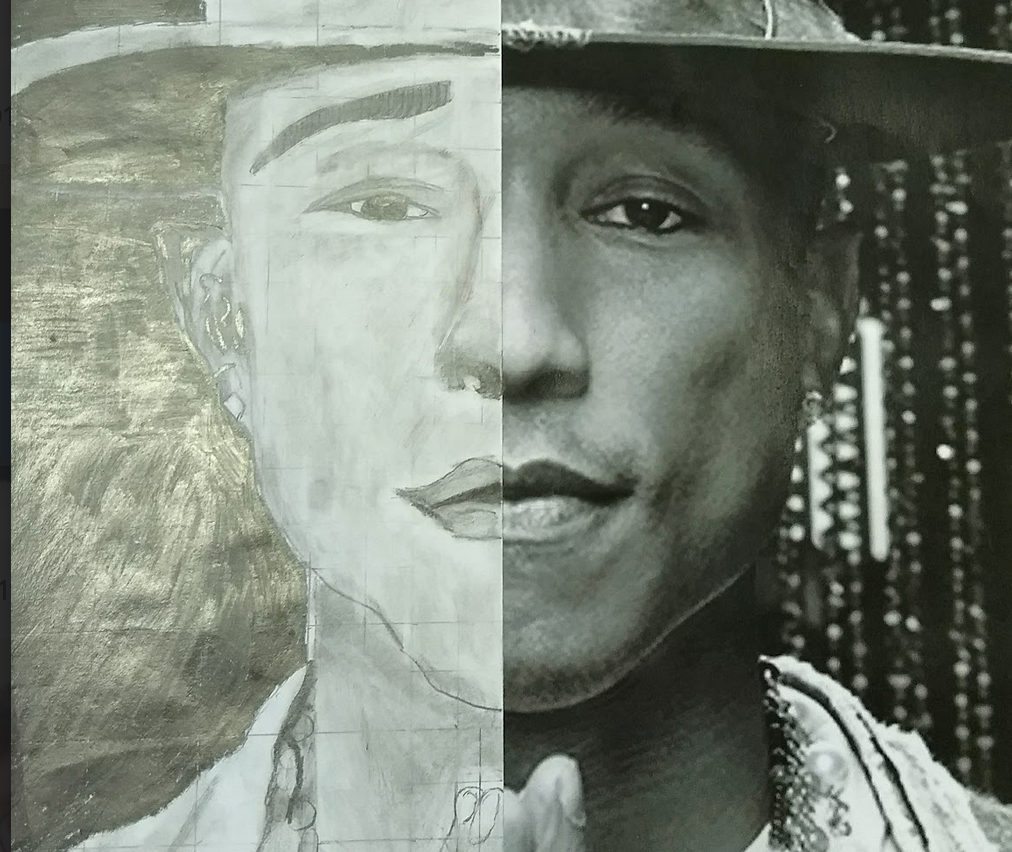
Developing
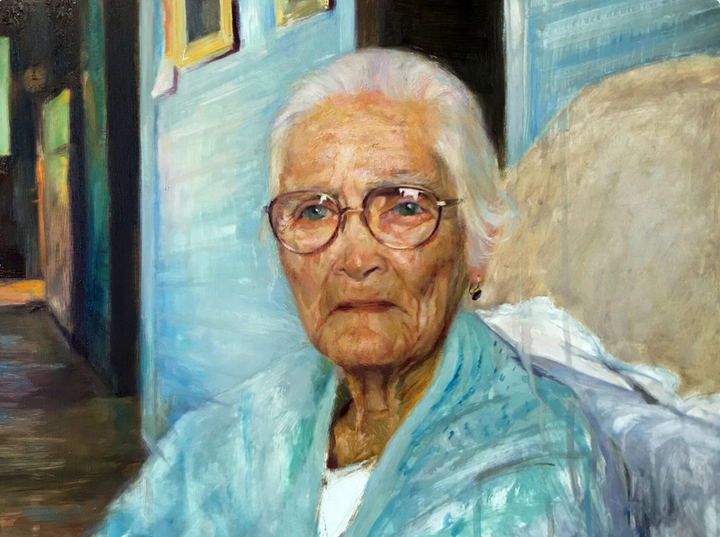
Students will explore a range of techniques connected to the unit’s statement of inquiry, practising and refining their skills using formal qualities, techniques, and processes to create portraiture.
As this is a full unit, students are encouraged to revisit their investigations from Criterion A and the artists they researched.
They can choose to:
- Recreate processes used by the artists they studied, or
- Focus on a particular medium and develop the skills needed to work confidently in that medium.
While students should experiment broadly with different materials, it is recommended that they master one or two techniques or materials to achieve a higher mark band.
Through experimenting with materials, processes, and visual communication—including composition and the elements of art—students will learn how to convey meaning to an audience. This experimentation helps them develop a clear artistic intention, and they can use ideation methods to determine the focus of their work, ensuring it connects to the unit’s inquiry. (More on how to communicate a clear artistic intention here)
These skills can be developed through direct or indirect teacher instruction, independent exploration inspired by Criterion A research, or teacher-led workshops.
Example Student Task and Rubric
Dear Students,
Use your Visual Journal to :
- Connect experimentation to the artist(s) that you researched in Task 1 (check time needed to complete work and due dates)
- If possible, participate in class skill exploration workshops or access videos online to help develop your skills.
- Create a mindmap in your journal to answer questions on HOW your idea links to your statement of inquiry.
- Create a title for the artwork and consider how the audience may understand your idea.
- This work should be an experimental artwork before you start your final.If you have time, work with a peer and reflect on ideas for how an audience will understand your portrait or painting.
- Find an A3 paper to create a 'mock-up' or preliminary artwork.
Rubric
| MYP CRITERIA | Specifications | 0 | 1-2 | 3-4 | 5-6 | 7-8 |
| Bi. Practically explore ideas to inform the development of a final artwork or performance. | Create multiple experimentations exploring techniques that contemporary artists have used in your research. | The student does not reach a standard described by any of the descriptors. | The student demonstrates limited practical exploration of an idea or ideas | The student demonstrates sufficient practical exploration of an idea or ideas | The student demonstrates substantial practical exploration of an idea or ideas | The student demonstrates extensive, varied practical exploration of an idea or ideas |
| Bii. Present a clear artistic intention for the final artwork or performance in line with the statement of inquiry. | Create two journal pages connecting intention to the statement of inquiry using mindmaps and explorations. Create an A3 preliminary (mock-up- not finished artwork) to explore your final artwork's appearance. | The student does not reach a standard described by any of the descriptors below. | The student presents a clear artistic intention in line with the statement of inquiry and states artistic choices. | The student presents a clear artistic intention in line with the statement of inquiry and describes artistic choices. | The student presents a clear artistic intention in line with the statement of inquiry and explains artistic choices. | The student presents a clear artistic intention in line with the statement of inquiry and justifies artistic choices. |
For example, if the student has chosen acrylic painting, I give them this to help them see the expanse of work required. Sometimes I will add a page number expectation. It really depends on the class.
Dear Students
If you have chosen to focus on acrylic painting:
Acrylic Painting – Linking Research and Experimentation
If you are working with acrylics, use your journal to experiment and explore ideas before creating your final artwork. Consider the following:
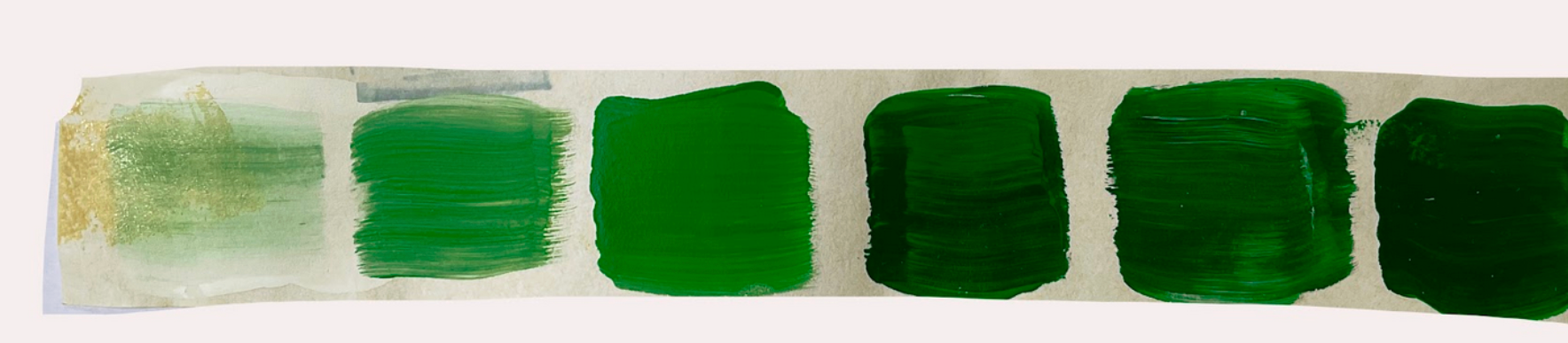
- Colour Theory
- Experiment with colour combinations in your journal.
- Look at the artists you researched: how did they use colour theory to create mood or emphasis?
- Artist Style and Inspiration
- What unique style or techniques do your chosen artists use?
- Have you tried experimenting with these techniques in your journal?
- Why did you choose this artist? How does their work inspire your ideas?
- Communicating Meaning
- What does your work communicate?
- How can you enhance your portrait to express representation, mood, or identity?
- Consider using the elements of art—such as composition, background, colour, line, or texture—to communicate your ideas (for example, how Kehinde Wiley uses background, colour, and composition).
- Texture and Mixed Media
- Experiment with adding texture to your acrylic painting using different tools, surfaces, or fabrics.
- Explore how different textures and media can add meaning or emotion to your work.
Goal: Use your research and experimentation together—your journal should show how you test ideas, explore techniques, and make decisions that help communicate your artistic intention.
Looking at the Strands individually
Developing Bi:
Criterion B
Developing i. practically explore ideas to inform development of a final artwork or performance
ii. present a clear artistic intention for the final artwork or performance in line with the statement of
inquiry.
Criterion B – Developing
Bi. Practically explore ideas to inform development of a final artwork or performance
Students are expected to investigate and experiment through practical making, which may include:
- Sketching, painting, prototyping, or creating maquettes to explore ideas.
- Testing materials and processes that connect to the unit inquiry and their research on selected artists.
- Practically exploring techniques and processes, including the tools and methods used by professional artists.
Written Reflection and Annotation
- Students should reflect on their experimentation, noting successes, challenges, and discoveries.
- Reflections should refer back to artists they have researched, particularly those who have used similar materials or mastered comparable techniques.
- Students should annotate their journals at each stage of the process, showing how ideas have developed.
- Highlight the techniques, processes, or outcomes that have been mastered, and critically reflect on what didn’t work and why.
Bii. Present a clear artistic intention for the final artwork or performance
- Students should articulate a clear and focused intention for their final artwork.
- This intention must connect directly to the unit’s statement of inquiry, demonstrating how their practical exploration and research inform the meaning, style, and execution of their work.
- Students should be able to explain why specific materials, techniques, and visual decisions were chosen to communicate their ideas effectively.

Comments ()