
MYP 3 -Unit Overview- Objects

MYP 3
Global Context - Personal and Cultural Expression,
An exploration into ways we discover and express ourselves.
This unit plan, which includes guidance on activities and resource links, can be used or adapted by teachers. I have included these units in this section because they are popular with students!
Inspiration for this unit design:
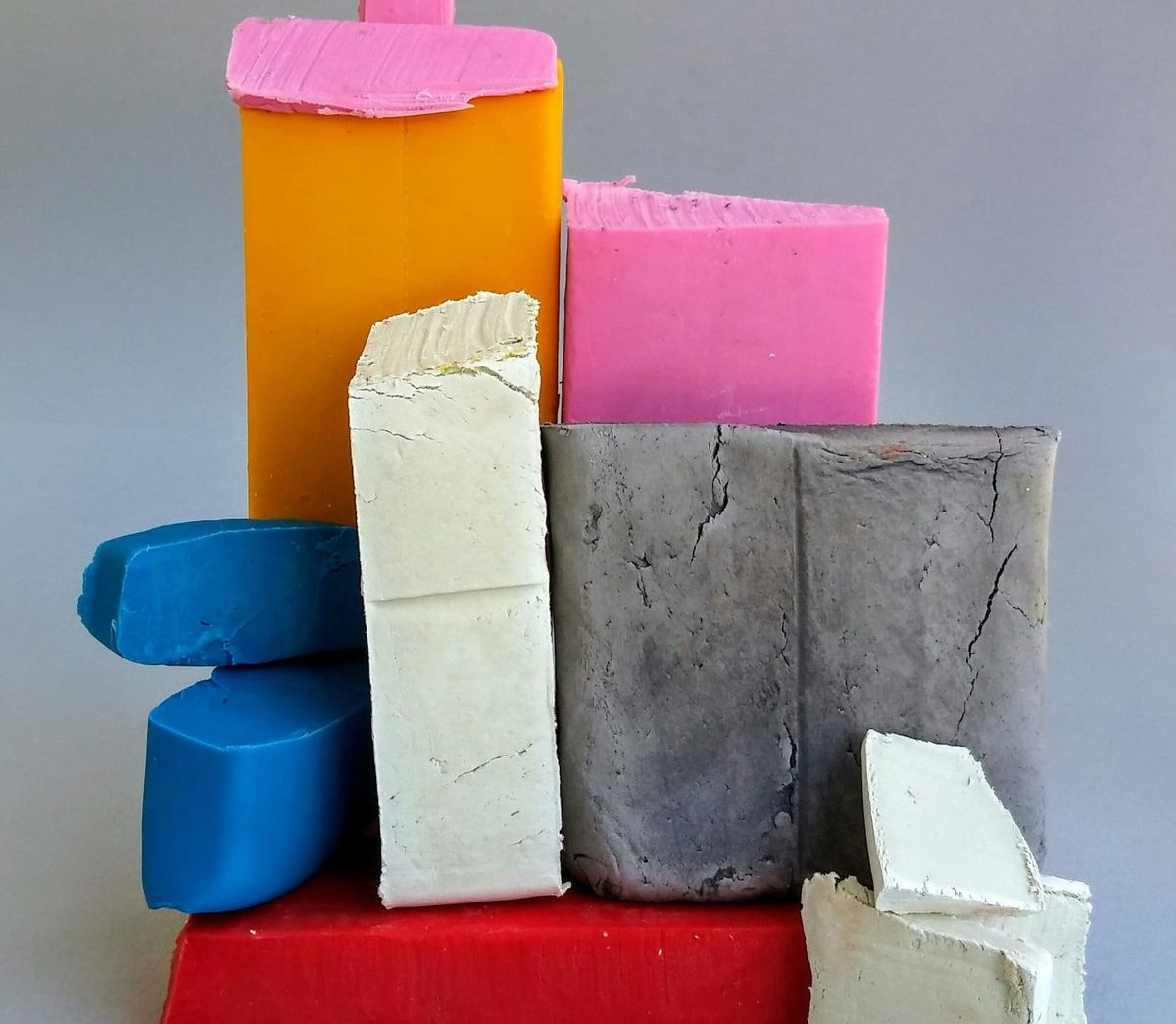
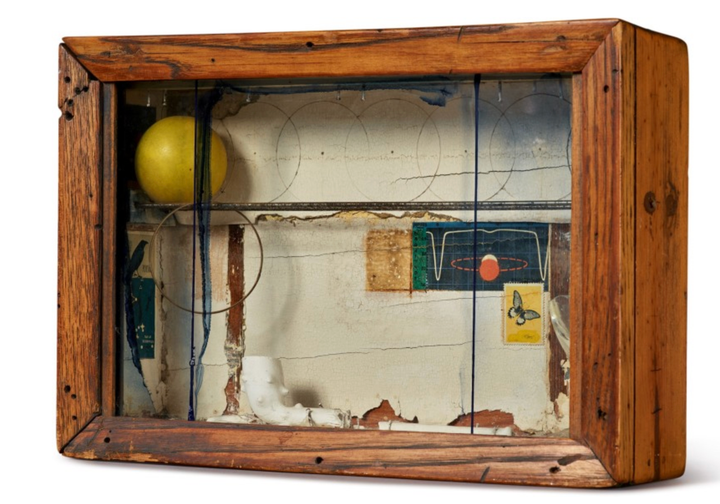
This unit for MYP3 explores different ways to think about everyday objects and how to observe them through the elements of art. Students are inspired to create their own assemblage sculptures or artworks related to the investigations related to the statement of inquiry.
It hopes to inspire students to see themselves as artists and communicate or replicate objects and ideas.
Inquiry
MYP 3 Unit: Found Objects
Inquiry- Establishing the purpose of the unit
Key Concept - Aesthetics
Related Concept - Interpretation
Global Context - Personal and Cultural Expression,
An exploration into ways we discover and express ourselves
Statement of Inquiry:
Understanding the elements of art and form helps artists express ideas
Time- 22 HrsHere’s a tidier version of the content you provided, organized for clarity:
Inquiry Questions
- Factual
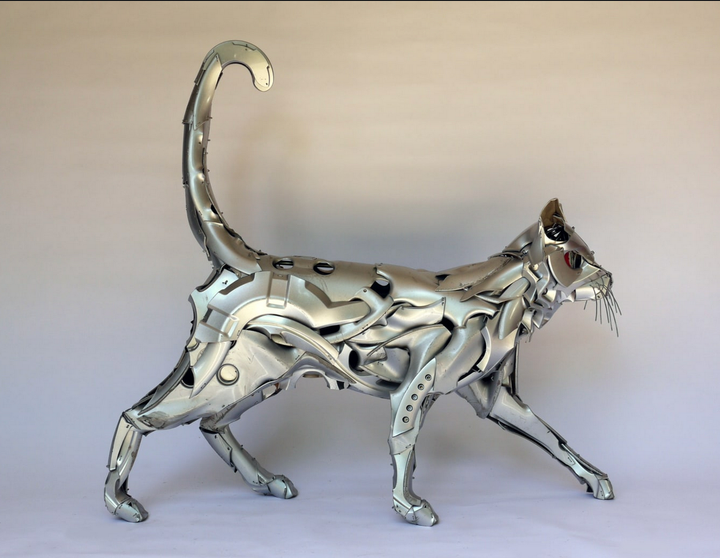
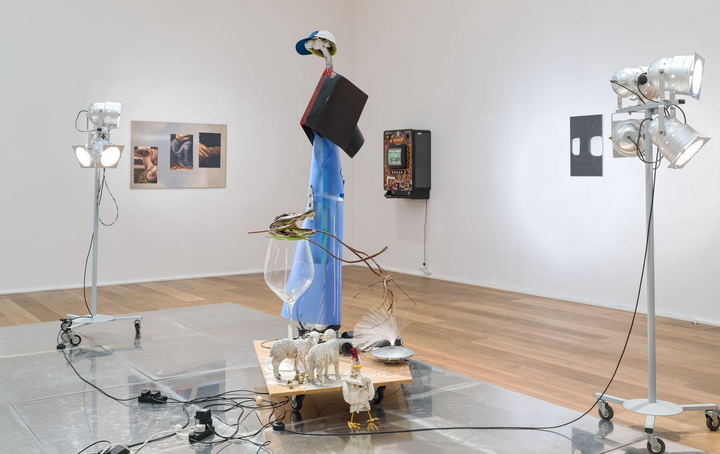
- What does a 'found object' in art look like?
- What is assemblage art?
- What specific examples of found objects are most effective in assemblage art?
- Conceptual
- What is the meaning of assemblage art and found objects?
- How do artists select and combine found objects to convey a specific message?
- Debatable
- Is assemblage art similar to sculpture?
Key Concept
Aesthetics
Aesthetics deals with the characteristics, creation, meaning, and perception of beauty and taste. The study of aesthetics develops skills for the critical appreciation and analysis of art, culture, and nature.
In the arts, the concept of aesthetics is perceived differently around the world and across cultures. Aesthetics not only addresses the rules and principles of beauty but should also include cultural perspectives and perceptions through the senses.
(IB MYP Art Guide 2022, p. 24)
Possible Art-Making Content
- Found Objects
Students are encouraged to bring items to the art room to draw, photograph, or recreate as an art form.
They are also encouraged to create artwork with different elements of art.Materials and Techniques
Students should have access to a variety of materials to help them experiment with:- Texture
- Colour
- Value
- Line
- Shape
- Space
- Possibly Form (for sculptural representations)
Art Knowledge
- Assemblage
- Form
- Composition
- Elements of Art
This version keeps the original meaning intact while organizing the content in a more structured way. It should be easier to navigate and refer to for your planning or presentations. Let me know if you need any further adjustments!
Resource Ideas to Inspire the Use of Found Objects
- classroom collection bins for discarded materials,
- designated "found object" areas around the school,
- local thrift store visits,
- community donations, or asking family members for unwanted items.
- Broken items that no longer have use
- craft store remnants,
- nature walks for natural items,
- found object kits - I collect objects throughout the year for both observation drawing and found object sculpture
Example of Task-based assessment
Research Ideas for the Visual Arts Journal
A possible list of Artists that students can explore in their visual art journal
Examples of Artists who use 'Found Objects in their art-making
- Jimmie Durham
- David Hammons
- Meret Oppenheim
- Kurt Schwitters
- Marcel Duchamp
Artsy.net
https://www.artsy.net/gene/found-objects
MOMA
https://www.moma.org/collection/terms/found-object
ArtUK
https://artuk.org/discover/curations/found-objects-in-art
Tate
https://www.tate.org.uk/art/art-terms/f/found-object
Image reference
Comments ()