
MYP 1 Unit Colour and Movement Overview

This page provides a full unit outline that teachers can either use as-is or modify to suit their needs. It includes detailed activity instructions and links to resources. I've included these units here because they have been particularly popular with students!
Unit Title: Colour and Movement
- Related Concept - Genre, Expression, Key Concept - Aesthetics
- Global Context - Personal and Cultural Expression: Artistry, craft, creation, beauty
- Time- 22 Hrs
Inquiry Statement :
Understanding colour and movement helps us understand art.
Concept - Aesthetics
'Aesthetics deals with the characteristics, creation, meaning and perception of beauty and taste. The study of aesthetics develops skills for the critical appreciation and analysis of art, culture and nature.
In the arts, the concept of aesthetics is perceived differently around the world and across cultures. Aesthetics does not only address the rules and principles of beauty but should also include cultural perspectives and perception through the senses.'
IB MYP Arts Guide 2022. pg 24
Inquiry Questions
Factual - What is aesthetics? How do we describe art? What techniques do artists use to express movement? Why do artists use colour in their art?
Conceptual - Observing the elements of art helps us understand the artist's ideas
Debatable - All artists express their feelings with both colour and movement.
Potential Art-Making Content
- Landscapes
Use acrylic paints and oil pastels to transform students’ photographs into vibrant landscapes, focusing on complementary colours and dynamic brush techniques. - Image Manipulation
Explore photocopying and painting over images, which encourages experimentation with layering and texture. - Art Portraits
Create portraits using short, colourful brushstrokes and complementary colours to enhance depth and energy. - Acrylic Brushstrokes and Movement
Delve into the expressive potential of acrylic brushwork, exploring movement and texture through varied stroke techniques. - Colourful Action Photography Use long exposure photography to create abstract images that capture movement through light trails or flowing colours. Students can experiment with LED lights or coloured gels to enhance the effect.
Knowledge Focus
colour theory (elements of art)
Colour Theory basics: Harmony and contrast evoking different emotions
primary, secondary, and tertiary colours
movement (principle of design)
Creating the illusion of movement with brush strokes, with light, or with perspective, leading lines or rhythmic composition
Investigation
Inquiry- Understanding colour and movement helps us express ideas.
You can connect to so many artists/art movements! The below can be a starting point....
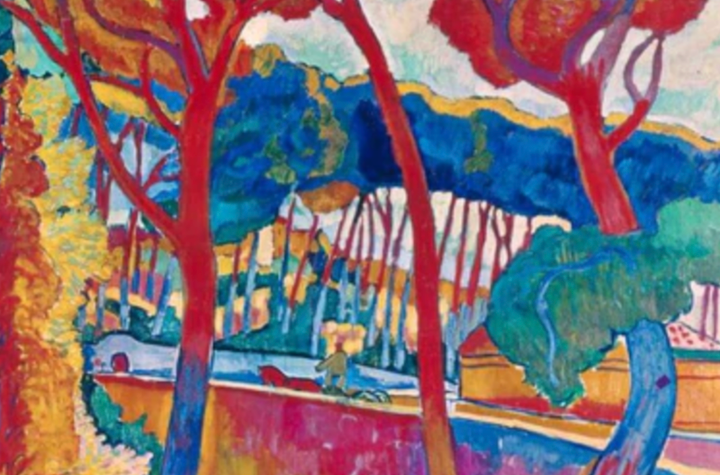
- Fauvism
- Abstract Expressionism
- Op Art
- Kinetic Art
- Futurism
- Contemporary Photography
Assessment
Inquiry- Understanding colour and movement helps us express ideas.
The unit is divided into four tasks. Each task includes an assessment rubric.
Task 1 - Investigate
Task 2 - Developing
Task 3 - Creating
Task 4 - Evaluating

Comments ()