
MYP 1 Colour and Movement (Task 2 )


MYP 1 - Task 2 Developing
In this unit, students really enjoyed experimenting with practical painting techniques in their MYP Process Journals or on paper, canvas, or card. This page includes a rubric, a task description and some guidance for students.
Inquiry- Establishing the purpose of the unit
Key Concept - Aesthetics
Related Concept - Genre, Expression
Global Context - Personal and Cultural Expression. Focus: Artistry, craft, creation, beauty
Statement of Inquiry :
Understanding colour and movement helps us understand expression.
Inquiry Questions
Factual - What is aesthetics? How do we describe art? What is genre? What techniques do artists use to express movement? Why do artists use colour theory?
Conceptual - Observing the elements of art helps us understand the artist's ideas and intentions.
Debatable - Colour and Movement can have a deeper meaning in an artwork than in a photograph.
i.PRACTICALLY EXPLORE IDEAS (Bi)
Dear Students,
This task focuses on developing ideas and practical experiments in your process journal.
Bi. practically explore ideas to inform the development of a final artwork.
Practical skills can also include composition experiments, brush techniques (movement) and connecting ideas from investigation (artist research)
Some examples of what this task looks like:
- Create a colour wheel highlighting the primary, secondary, and tertiary colours. Draw an arrow between the complementary colours
- Divide your journal page into four by drawing two horizontal and one vertical line to create four squares on the page.
Complete the four squares with the ideas below:
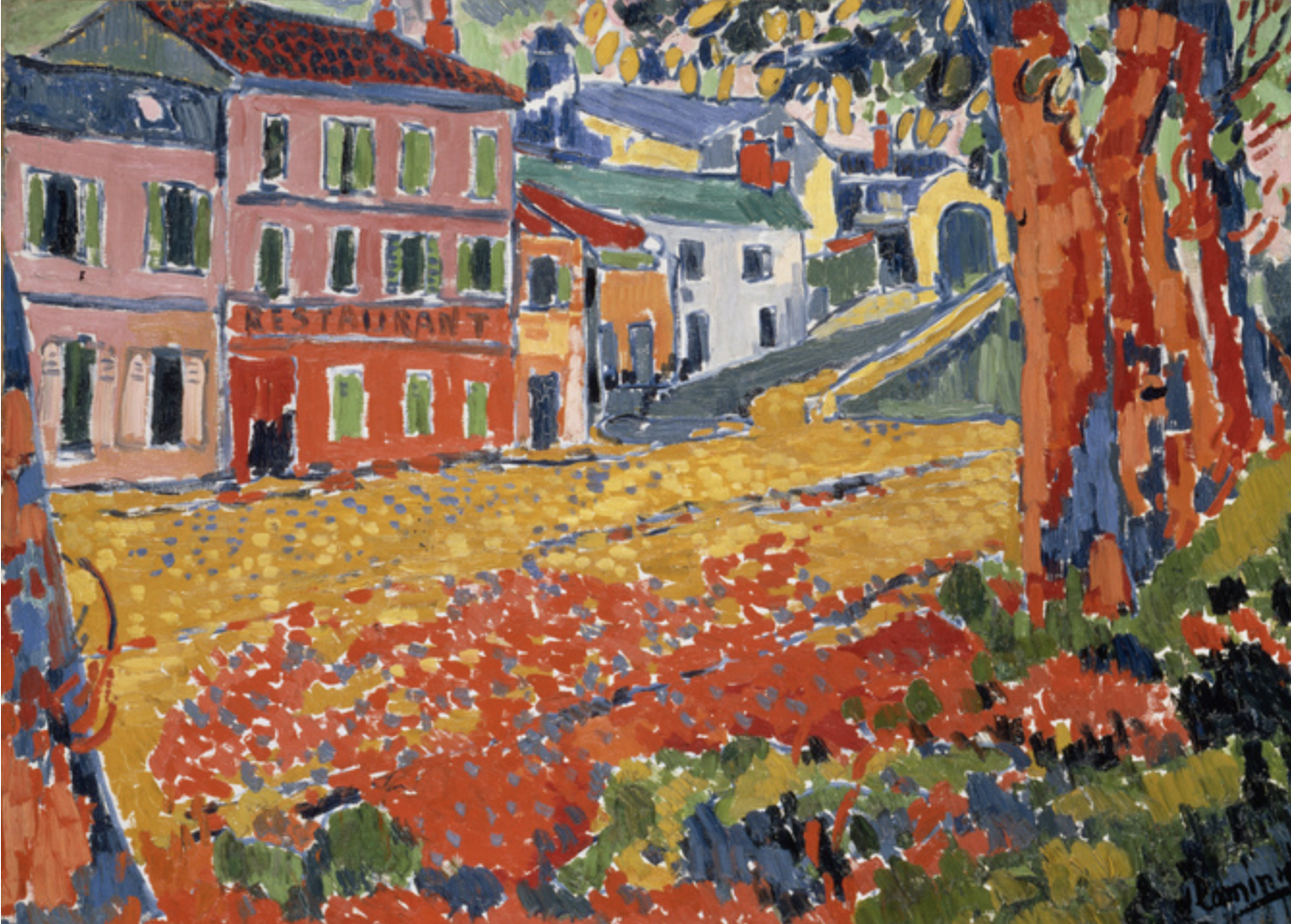
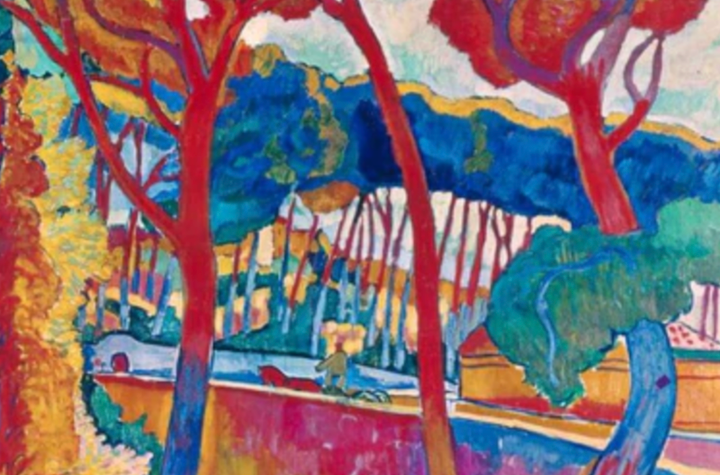
Recreate a part of one of the artworks you investigated in task 1, and reflect on how the artist uses colours, referencing the ideas you have learnt so far
Choose an artwork that has an example of the illusion of movement. Recreate a part of this artwork and label it withthe title, artist and why you chose it.
Fill the square with two complementary colours.
Complete a square showing brushwork that implies the illusion of movement.
- Take up two journal pages and complete acrylic and oil pastel techniques.
Find six techniques. Label the techniques.
Bii. Present a clear artistic intention for the final artwork or performance in line with the statement of Inquiry.
Present a clear artistic intention for the final artwork in line with the statement of Inquiry.
Students develop an artistic intention in their process journal, including a proposal sketch of a
possible future artwork.
Some examples of what this task looks like:
- Create a one-page sketch for an idea for an artwork connected to your research using complementary colours.
- Create thumbnail sketches of one composition with different complementary colours.
- What would be your subject matter if you were asked to create a landscape artwork in the Fauvist style? (what the artwork is about)
Write a summary of what artwork you want to create, including the materials and colours, and if the work includes movement. How does your idea connect to big ideas in the unit?
Rubric

Comments ()